How to Reduce Blood Pressure Naturally?
By Dr. Panchajanya Paul, MD
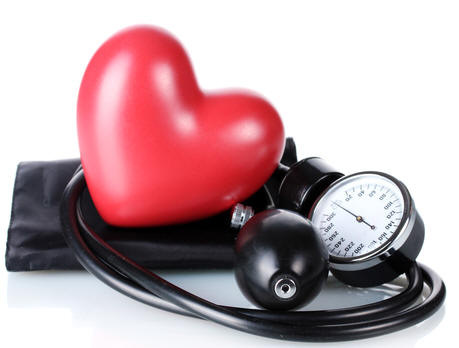
High Blood Pressure or Hypertension is a condition when the blood pressure
in the arteries remains elevated over time. Hypertension is a serious
medical condition. Persistent blood pressure above 140/90 mm Hg is defined
as hypertension. It is recommended that people should take action even
before that and keep the blood pressure below 120/80 mm Hg. Chronic
hypertension is a direct risk factor for stroke and heart Attack, kidney
disease, vision loss and many others. The exact cause is unknown in majority
of cases. There is a rise in the number of cases of hypertension across the
world. It is probably due to a combination of multiple factors including the
genes and the environment. As more people are moving into the cities, the
traditional ways of living are being replaced with fast urban ways of
living. This has led to a surge in the life-style diseases like
hypertension, hypercholesterolemia, diabetes, obesity worldwide and, the
number is expected to grow in the coming years.
Although, it is acknowledged, that hypertension is a disease of the life
style; it remains a challenge to regulate the blood pressure. Our life has
become busier. We are constantly driving from one point to the other, eating
fast food while we work to save time, spending less time with family and
friends, taking fewer vacations, and sleeping less. All the while we are
working more and more. This chronic stress of the urban life impacts our
mental and physical health. However, we can always make changes to our
lifestyle and use the natural healing mechanisms of the body to restore out
health and reduce blood pressure. There are evidence based life style
modifications that has shown to reduce the blood pressure naturally. They
are easy to start, but requires motivation and discipline to continue. Here
are a few major ones which are easy to follow and reduce blood pressure.
1. Exercise: Switching to an active lifestyle remains the quintessential
part of any life style change. Exercise reduces blood pressure. Aerobic
exercises like running, jogging, walking, and weight lifting exercises can
reduce the blood pressure. The important part is physical movement. It�s not
enough to remain sedentary all day, and then exercise for 1 hour and hope to
see the changes. No matter of exercise can mitigate the 23 hours of
inactivity. Thus the key is to keep on moving all day at regular intervals.
Hypertension was virtually unknown in the primitive societies where people
are always moving and working. Many of us can recall our grandparents or
great grandparents living in the villages working all day and never having
to worry about obesity of hypertension.
2. Stress: The level of stress in the modern American society is high. In
the past, one dealt with the acute stress of famine, war, and pestilence.
They had a marked beginning and an end for those lucky to survive. But now,
in the developed world, there is no acute danger. Life is more safe and
secured. Instead we have chronic stress. People are more isolated and lonely
than ever. The quest for material success drives us to work more and more.
The encroachment of the digital world in our home has meant that there is no
boundary between work space and home. The connectivity of cell phone and
internet means that we can now work 24x7. We are witnessing a rise of mental
health illness like depression and anxiety disorders across the world.
Stress kindles the fight or flight response in our brain. It leads to
sympathetic system activation which causes constriction of the blood
vessels, thus increasing the blood pressure as the heart has to pump harder
against the narrow vessels to send the blood across the body. There are many
proven ways to remove stress like meditation, yoga, better work life balance
which will go a long way to reduce the blood pressure. Although we all feel
stress the same way, we relax differently. Every day, try to carve out some
time for activities that help you relax.
3. Diet: There is a saying that we are what we eat. Diet influences every
aspect of our life. In earlier times, people used to eat fresh fruits, fresh
vegetables and fresh meat. Now most of us buy our food from the big grocery
stores like Wal-Mart, Costco, Kroger, and Publix. We enjoy the convenience
to get the food when we want and what we want. But this shift from eating
fresh and seasonal has consequences. All natural and whole food comes with
more potassium and less sodium. But as soon as the food the stored and
processed, sodium is a main ingredient to aid in preservation. The increased
sodium content of the processed food changes the balance. Most of us now
consume more sodium than potassium. Just eliminating salt from the diet will
not help. Any food we buy like the simple bread comes with high sodium. All
food in nature comes packed with vitamins and anti-oxidants. The nutrient
level is at its peak when the fruit or vegetable is plucked from the tree,
and for meat at its source. But as the food stays in cold storage, it loses
nutrients over time. Thus, the key is to eat local and eat as much
unprocessed food as possible. Try to find local farmers in your ears, and if
time and money permits, get the fresh produce in season. There is some food
which specifically reduces blood pressure. It has been shown that onion and
garlic consumption reduces blood pressure. Food rich in omega 3 fatty acids
like fish, organic eggs can help to reduce blood pressure. Vegetarians can
take flax and chia seeds which are rich sources for omega 3 fatty acids.
4. Outdoors: We are now staying most of our time indoors. This is a big
shift from the past. Time spend in outdoors among nature has multiple health
benefits. We have access to fresh air full of oxygen and healthy microbes.
We get sun exposure which helps the body to make natural vitamin D. Low
vitamin D levels in blood have been correlated with hypertension. Thus sun
exposure in moderation will boost the vitamin D levels in the body and help
lower the blood pressure. Spending time outdoors also boost the endorphin
levels which makes us feel good and decreases the stress hormones. All this
helps to reduce the blood pressure. The age old advice of 1 hour of morning
walk outside for good health is truer than ever. In India there is a
practice called �Tahal� where people will walk every day with friends or
alone and relax themselves.
5. Sleep: Sleep is the healing time for the body. Every night when we go to
sleep, the body repairs the wear and tear, removes the germs and toxins, and
does routine maintenance tasks essential for survival. As the body prepares
for sleep- the pulse rate drops, blood pressure decreases, temperature
drops, metabolism slows. The sleep cycle is regulated by circadian rhythm
determined by exposure to sunlight and other bright light. Sleeping within 4
hours of sunset is ideal and had been the norm world-wide till the
availability of the artificial lights. Hence, sleeping late at night,
sleeping less at night, exposure to bright light like computers just before
sleep- will interfere with body�s natural repair mechanism. Poor sleep can
contribute to hypertension. Ideally one should sleep by 10 pm every night,
and the last one hour before sleep should be spend on relaxing activities.
6. Obesity: Obesity is big risk factor for hypertension and diabetes. As we
age we gain weight and become more sedentary. This puts us at risk for
hypertension. The more weight we have, the harder the heart has to pump the
blood across the body. In addition, obese people are more likely to have
sleep apnea, which is a direct cause of hypertension. Losing the weight will
reduce one�s blood pressure. However, losing weight is not easy and will
require many of the above mentioned life style changes. Thus, all the life
style changes go hand in hand. Good diet, good sleep, good exercise will
reduce weight and improve sleep, which in turn will keep the blood pressure,
blood cholesterol, and blood sugar normal.
7. Supplements: I am not a big fan of supplements. All the nutrients should
ideally be obtained from food. However, it is not always possible. Due to
political reasons like farm subsidies, fresh food is more expensive than
processed food in US. Thus for many, supplements become an economical and
practical approach. Certain natural supplements have shown to reduce blood
pressure. Regular consumption of tea reduces blood pressure. Omega 3 acid
supplements or fish oil supplements can also help with blood pressure.
Vitamin supplements are a good option for people who cannot go outdoors.
Other supplements like potassium, magnesium, Coenzyme Q-10 can reduce blood
pressure, but should only be taken after consultation with the doctor.
In summary, high blood pressure should be taken seriously. Most hypertension
is due to life style problems. Life style change is not easy. However,
everyone should try to do more exercise, better nutrition, improve sleep,
reduce stress, and decrease weight as a first line approach to reduce blood
pressure. Many patients with Hypertension will need additional support of
blood pressure medications. Hypertension can also be due to specific
diseases of kidney, adrenals, and thyroid, and will not respond to life
style changes unless the source is addressed. Therefore, always consult your
doctor to explore reasons for chronic high blood pressure and other
treatment options.