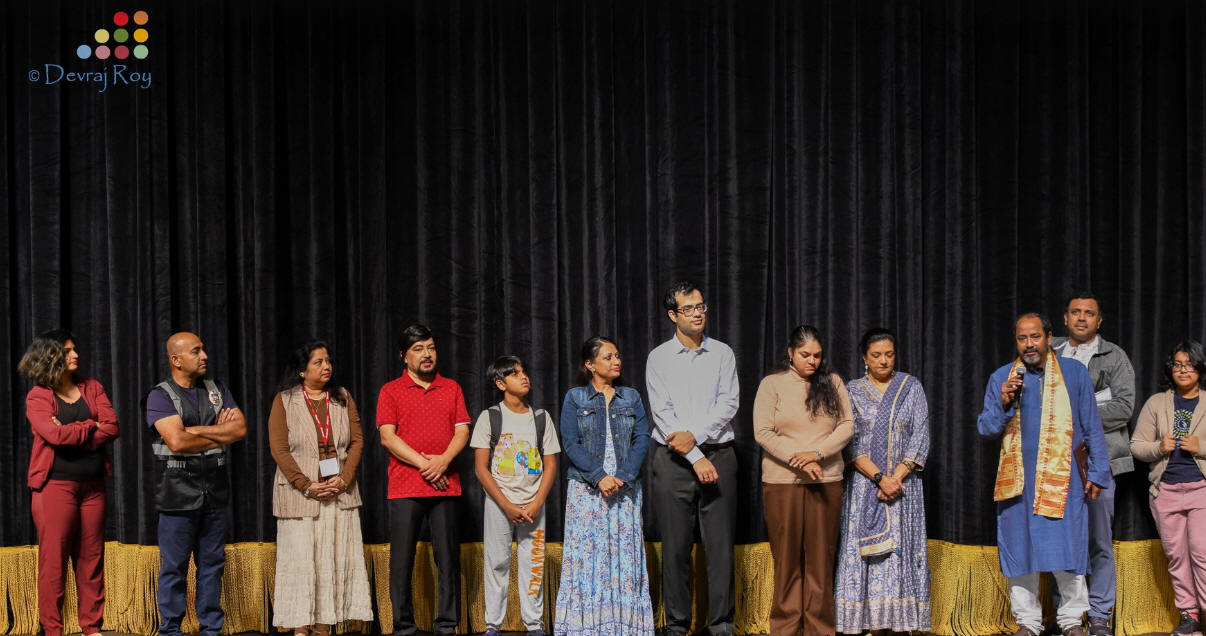
SUGAR HILL, GA — August 17, 2026 — Aabaha, Inc. concluded the
Aabaha Art & Theater Festival (AATF) 2026 on August 16 following
three days of theater, visual arts, cultural programming, and community engagement
at The Eagle Theatre in Sugar Hill, Georgia.
Held August 14–16 under the theme
“Showcasing Cultural Diversity Beyond Borders,” the festival featured
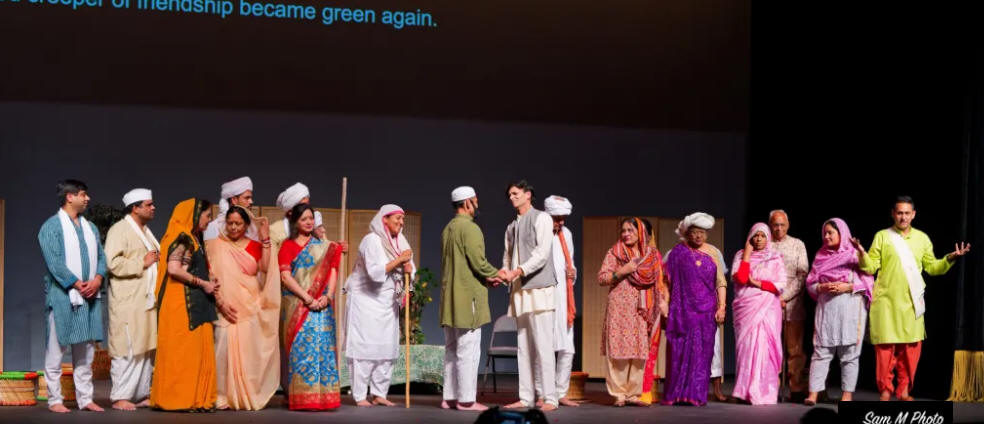
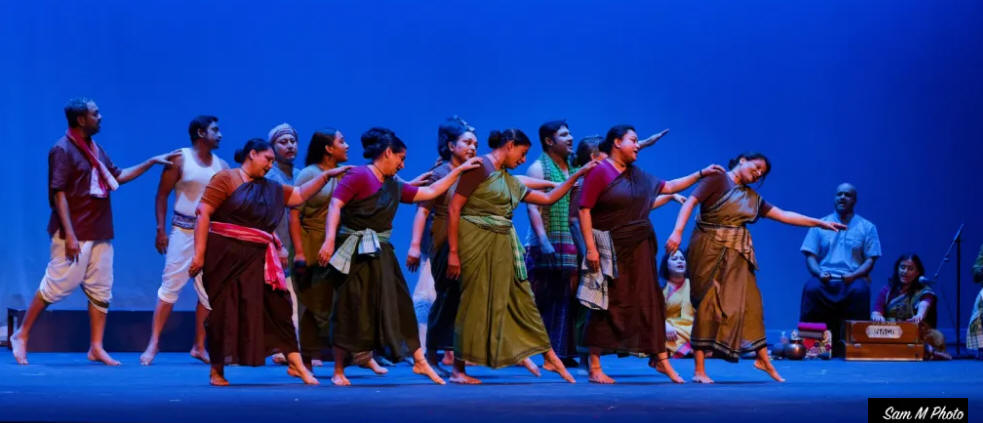
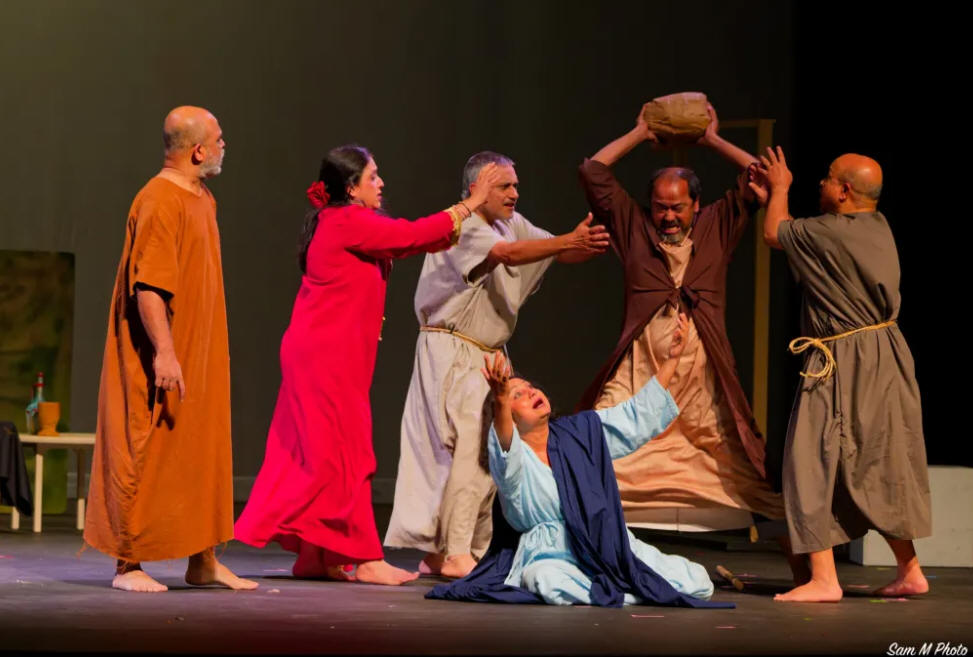
eight theatrical productions representing different artistic traditions, languages,
communities, and perspectives. Productions in English, Hindi, and Bengali,
with English supertitles for non-English performances where applicable, brought a wide
range of stories to audiences from across Metro Atlanta and beyond.
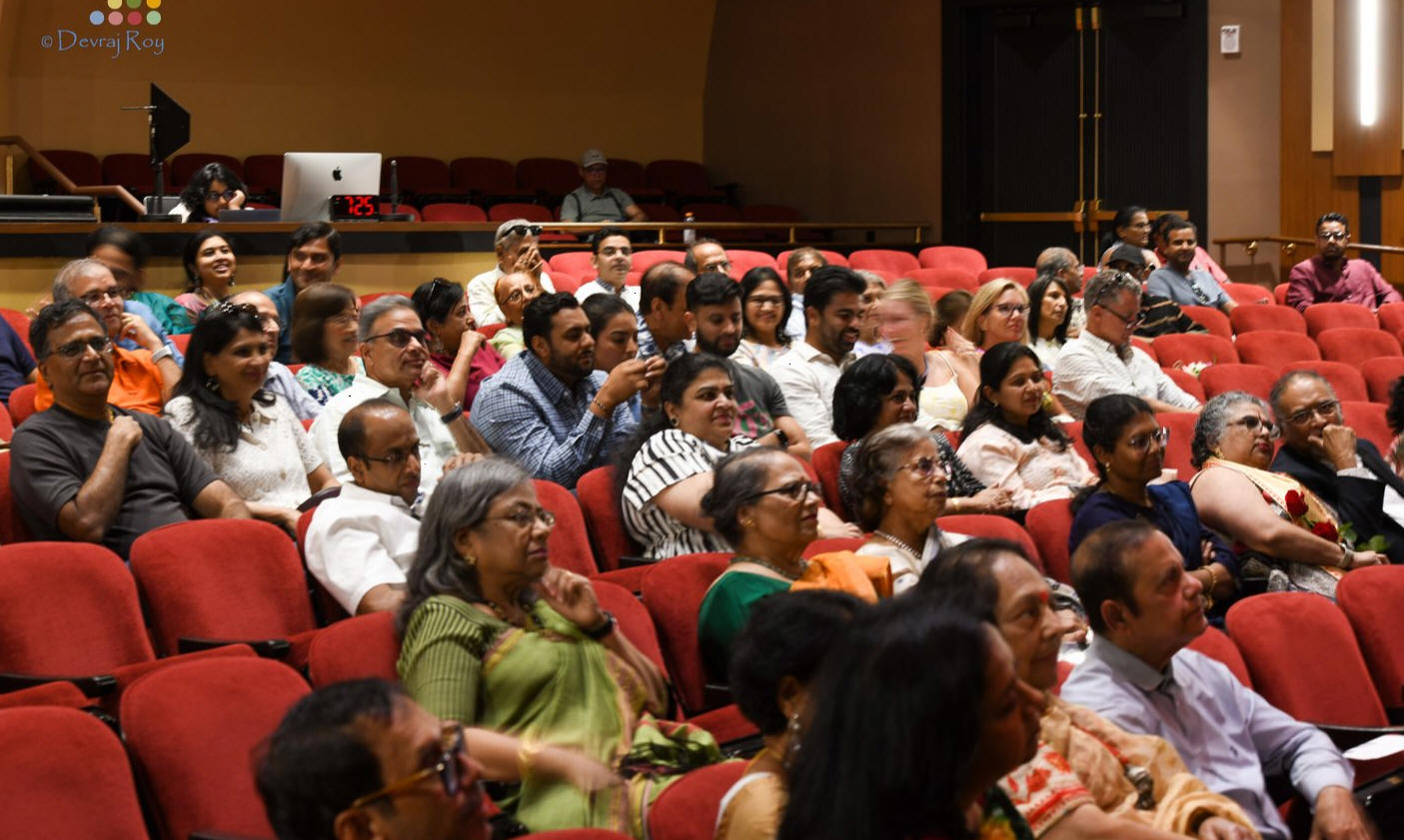
The festival opened Friday evening and continued through Saturday and Sunday with a
packed schedule of performances. Audiences responded enthusiastically to the diverse
theatrical styles, stories, and cultural perspectives presented throughout the weekend.
Artists and Audiences Praise the Festival
The festival drew positive responses from both audiences and participating theater groups.
Ranjan Dattagupta praised Aabaha and the participating artists for
creating an enjoyable weekend of theater.
“Excellent and terrific work by you and Aabaha,” Dattagupta said.
“It was indeed an enjoyable and relaxing weekend—watching and feeling the
impulse of the scripts presented by various groups.”
Dattagupta also expressed his interest in becoming more actively involved with Aabaha
and helping extend its message to a wider audience.
“I do intend to contribute and participate in more meaningful ways to get your
message to as many people as possible. I’m here to help.”
For participating companies, the festival also provided an opportunity to develop
relationships and create lasting memories. Tamara Verriett of Verriett
Productions described the company's participation as a memorable experience.
“It was Verriett Productions’ pleasure to be a part of Aabaha Art and Theater
Festival 2026,” Verriett said. “We cherish the moment and will always keep it
in our hearts as unforgettable.”
Conversations Beyond the Stage
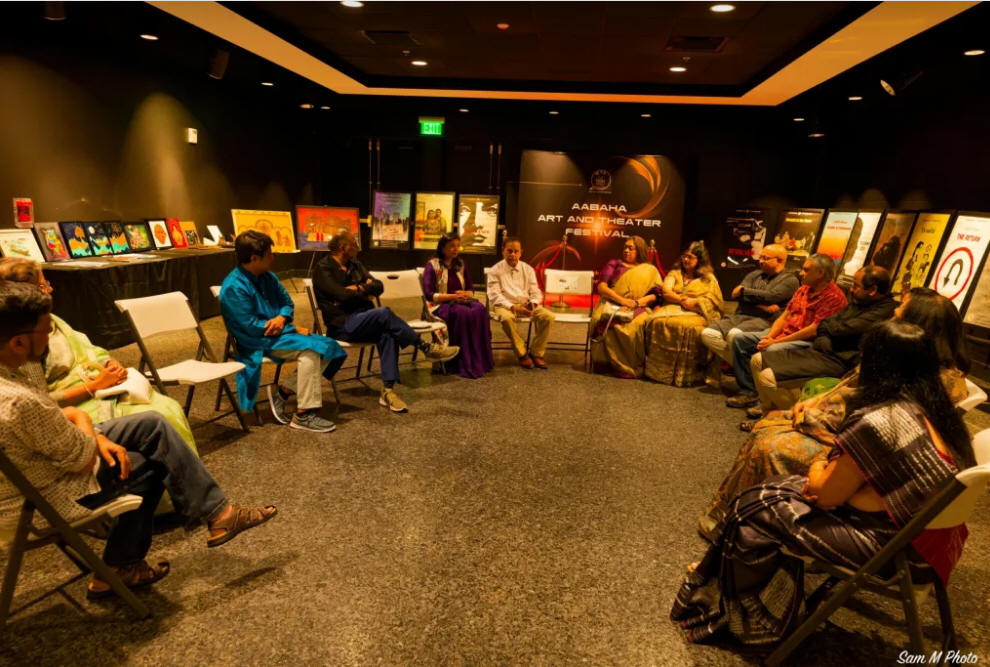
AATF extended beyond theatrical performances through
post-show talkback sessions, allowing audiences to interact directly
with actors, directors, playwrights, and production teams. The discussions explored
theater, storytelling, culture, identity, and the experiences reflected in the
productions.
The festival also featured a panel discussion involving theater practitioners,
providing a broader discussion on the performing arts. Visual arts and other cultural
programming further expanded the festival's scope beyond conventional theater programming.
A highlight of the weekend was the presentation of the
Aabaha Samman 2026 to Dibyendu Paul, recognizing his artistic and
cultural contributions.
Paul, of Ebong TheatriX, praised Aabaha for its commitment to theater
and cultural diversity, as well as its choice of venue and hospitality toward
participating artists.
“Aabaha has a very dedicated crew whose hospitality and eagerness to help were
well noted,” Paul said. “You’ve done an amazing job in connecting the community
with theatre and raising awareness on diversity, equity and inclusion in the
Atlanta region and beyond.”
A Festival Built on Collaboration
According to Aabaha Founder and Director and AATF Festival Director
Kallol Nandi, the festival's success was the result of the collective
contribution of participating artists, theater groups, volunteers, supporters, and audiences.
“AATF belongs to every participating theater group, artist, volunteer, audience
member, supporter, and collaborator who makes this gathering possible,” Nandi said.
“We look at every program presented at the festival as an AATF showcase. What
audiences experienced during AATF 2026 was possible because of the extraordinary
commitment and collaborative spirit of all the participating groups and artists.”
AATF brings together established and emerging artists while providing theater companies
from different cultural backgrounds and geographic regions an opportunity to share the
same stage. Through its programming, the festival seeks to introduce audiences to stories
and perspectives they might not otherwise encounter while strengthening connections
among Metro Atlanta's diverse communities.
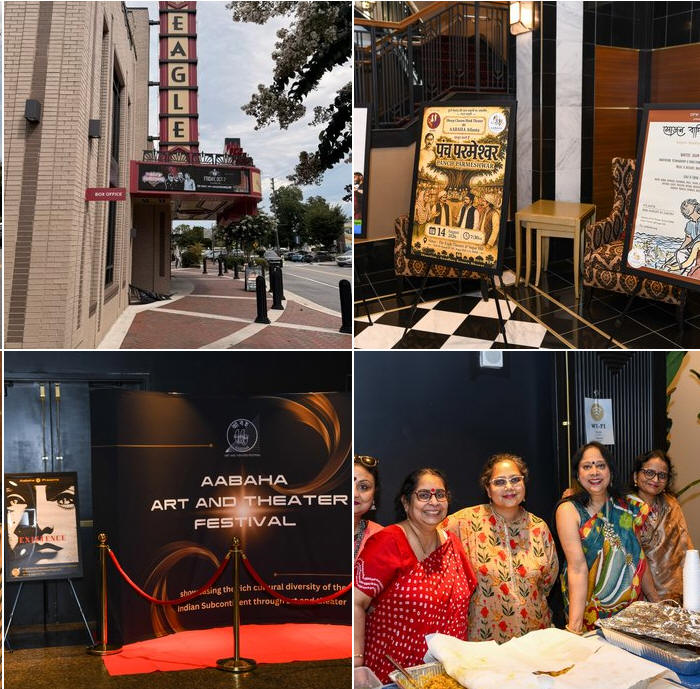
The Eagle Theatre provided a professional theatrical setting for the
festival, allowing participating groups to present their productions on a full
proscenium stage in a venue designed for live performance. The venue itself became an
important part of the festival experience for both artists and audiences.
Behind the scenes, volunteers, production personnel, and supporters worked throughout
the three-day event to coordinate rehearsals and performances, assist visiting groups,
provide hospitality, and maintain a collaborative environment.
Organizing a festival involving multiple productions, artists, technical teams,
volunteers, and community partners required extensive coordination. Aabaha expressed
its appreciation to the participating theater companies, directors, actors, playwrights,
designers, technicians, visual artists, panelists, volunteers, sponsors, donors,
community organizations, media representatives, and audience members who contributed
to the festival.
“While we may not always have been able to provide every participating group with
everything they needed, we are deeply grateful for their patience, trust, flexibility,
and partnership,” Nandi added. “Whatever AATF 2026 became was because of
their effort.”
The strong response from artists, theater companies, and audiences reflects AATF's
growing role as a platform for
theater, cultural dialogue, community connection, and artistic collaboration
in the Atlanta region.
Aabaha plans to build on the relationships and artistic exchanges developed through
AATF 2026 as it continues its efforts to make culturally diverse theater accessible
to audiences throughout Greater Atlanta and beyond.